
Cultural Treks: Experience Nepal Beyond Mountains
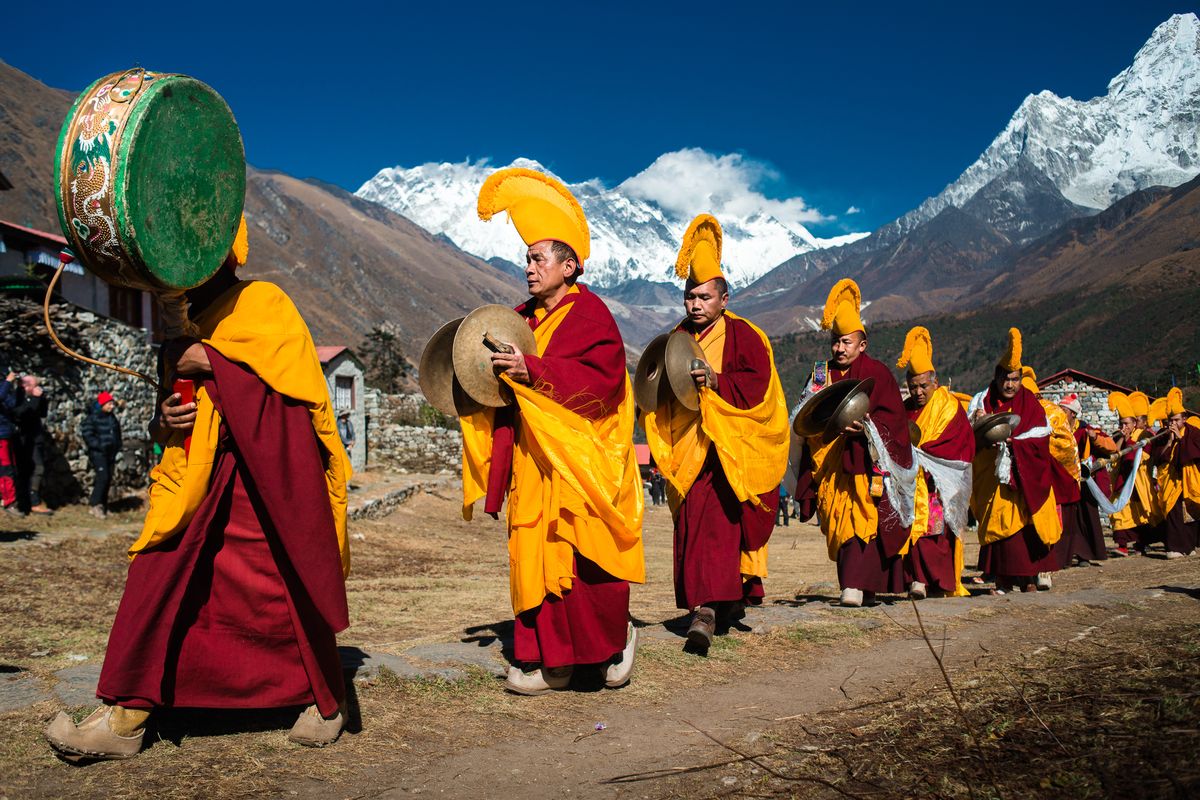
Cultural trekking in Nepal is a unique travel experience where trekkers explore not only mountains but also the living traditions of local communities. When most people think of trekking in Nepal, they picture towering snow-capped peaks, high-altitude passes, and dramatic Himalayan landscapes. And while Nepal’s mountains are undeniably world-class, there is an entire dimension of this country that many trekkers never fully explore – its extraordinary culture.
Nepal is home to over 125 ethnic groups, and cultural trekking in Nepal offers a deep look into their villages, festivals, and daily lifestyle.. Its villages, temples, monasteries, festivals, and people tell stories that go far deeper than any summit. Cultural trekking in Nepal is about slowing down, looking around, and connecting with the human heart of this remarkable country.
This guide is for those who want more than a mountain view. Cultural trekking in Nepal helps you truly understand the heart of the country.
What Is Cultural Trekking?
Cultural trekking is simply trekking with a focus on human experiences rather than altitude milestones. Instead of measuring success by how high you climbed, you measure it by how much you learned, how many conversations you had, and how many moments genuinely moved you.
On a cultural trek, you might spend an afternoon in a centuries-old monastery watching monks in prayer. You might sit with a Gurung elder who shares stories about his ancestors. You might walk through rice terraces that have been farmed the same way for five hundred years, or witness a local festival that fills an entire village with music and color.
The trails are generally lower in altitude, the pace is more relaxed, and the rewards are quieter – but no less powerful.
Why Nepal Is a Cultural Trekker’s Paradise
Nepal’s trekking system and cultural routes are supported by official organizations like the Trekking Agencies Association of Nepal, ensuring responsible and safe travel experiences. Few countries in the world pack as much cultural diversity into such a compact geography as Nepal. As you walk from one valley to the next, the language changes, the food changes, the clothing changes, and the religious practices shift. It is like traveling through multiple countries in the space of a single week.
Nepal sits at the crossroads of Hindu and Buddhist civilizations, and in many places these two traditions exist side by side in beautiful harmony. Ancient stupas share hilltops with Hindu shrines. Tibetan prayer flags flutter above villages where Sanskrit mantras are chanted at dawn. This layered spiritual landscape is unlike anywhere else on Earth.
Add to this the warmth and hospitality of Nepali people – who are genuinely among the most welcoming hosts in the world – and cultural trekking in Nepal becomes an experience that stays with you long after you return home.
Cultural trekking in Nepal is one of the best ways to experience authentic village life, traditional food, and ancient heritage paths.
🗺️ Top Cultural Trekking Routes in Nepal
1. The Helambu Trek – Villages Above Kathmandu
The Helambu region lies just north of Kathmandu Valley and is one of the most accessible cultural trekking destinations in Nepal. This area is home to the Hyolmo people, a Tibetan-Buddhist community with a distinct language, art tradition, and religious identity.
As you walk through Helambu, you pass through stone villages decorated with prayer flags, ancient gompas filled with thangka paintings, and terraced fields overlooking forested ridges. The people here are generous and curious, and interactions with local families feel genuine and unhurried.
Helambu is also an excellent option if you have limited time. You can begin the trek from Sundarijal, just outside Kathmandu, making it a convenient cultural escape without a long journey to the trailhead.
2. Dhading Cultural Trek – Off the Tourist Map Entirely
Dhading is one of Nepal’s most overlooked districts, and that is exactly what makes it special. This trek takes you through a patchwork of Tamang, Newar, Brahmin, and Chhetri villages, each with its own distinct way of life, architecture, and local tradition.
The lower sections of this trail pass through subtropical forests and terraced farmland, with views of Ganesh Himal emerging as you gain elevation. You will visit local schools, interact with farming families, and be welcomed into homes where the lifestyle has changed very little over generations.
Because Dhading sees almost no foreign trekkers, locals are genuinely surprised and delighted to meet visitors. This is the kind of trek where a simple smile and a greeting in Nepali can open doors that no guidebook could ever direct you to.
3. Tamang Heritage Trail – A Living Cultural Museum
The Tamang Heritage Trail is one of Nepal’s most thoughtfully designed cultural trekking routes. It was specifically created to give trekkers a deep and meaningful insight into the lives, history, and traditions of the Tamang people – one of Nepal’s largest and most culturally rich ethnic groups.
The trail winds through a series of Tamang villages in the Langtang region, each with its own monastery, community hall, and traditional architecture. You will learn about Tamang music, dance, food, and shamanic traditions. Many tea houses on this route are family-run, and meals often include traditional Tamang dishes that you simply cannot find anywhere else.
The backdrop is stunning – views of Langtang, Ganesh Himal, and the forested Rasuwa hills accompany you throughout. But it is the people and their stories that make this trail truly special.
4. Newari Village Trek Around Kathmandu Valley – Culture at Every Step
You do not need to go far from Kathmandu to find extraordinary cultural richness. The rim of Kathmandu Valley is dotted with ancient Newari towns and villages that have been centers of art, trade, and religion for over a thousand years.
A walking circuit around the valley connects gems like Kirtipur, Bungamati, Khokana, Chapagaon, and Godawari – each with its own temples, courtyards, and living traditions. The Newar people are master craftspeople, and their wood carvings, metalwork, and architectural details are considered among the finest in all of Asia.
This trek is ideal for travelers who are short on time but want a genuinely immersive cultural experience. You can walk between villages in a day, stopping at temples, observing local festivals, and tasting Newari cuisine – one of the most distinctive and delicious food traditions in Nepal.
5. Mustang Cultural Trek – The Last Forbidden Kingdom
No list of cultural treks in Nepal is complete without Mustang. The former Kingdom of Lo, once closed to outsiders until 1992, is one of the most extraordinary cultural destinations in all of Asia. It feels less like Nepal and more like a piece of ancient Tibet that somehow survived intact.
The landscape is dramatic and surreal – wind-sculpted cliffs, deep gorges, and ochre-colored desert plateaus unlike anything else in Nepal. The walled city of Lo Manthang, the capital of the former kingdom, sits at 3,800 meters and contains palaces, monasteries, and murals that are centuries old. The king of Mustang, though no longer officially recognized as a ruling monarch, still lives there and remains a central figure in community life.
The Loba people of Mustang speak an archaic dialect of Tibetan, follow Tibetan Buddhist traditions, and live a lifestyle that has changed remarkably little over the centuries. Walking through their villages feels like stepping back in time.
💡 Tips for Cultural Trekking in Nepal
The Deeper Reward of Cultural Trekking
There is a particular kind of travel that changes the way you see the world. It is not the kind that takes you to the highest peak or the most dramatic landscape. It is the kind that sits you down across from a stranger, removes the usual barriers of language and routine, and lets two human beings simply recognize each other.
Cultural trekking in Nepal does that, consistently and generously.
You will come back with photographs of mountains, yes. But you will also come back with memories of a grandmother who offered you tea without speaking a word of your language. A child who ran beside you on a dirt path just to practice saying hello. A monk who smiled at you in a courtyard filled with butterflies and butter lamps.
Nepal’s mountains are magnificent. But its people and its culture are the real summit.
Go beyond the peaks. Walk through the villages. Listen, taste, observe, and connect. That is when Nepal truly reveals itself to you. The most meaningful journeys are the ones that change how you see people.