Difficulty
Moderate to Challenging
Best Season
March–May & September–November
Overview
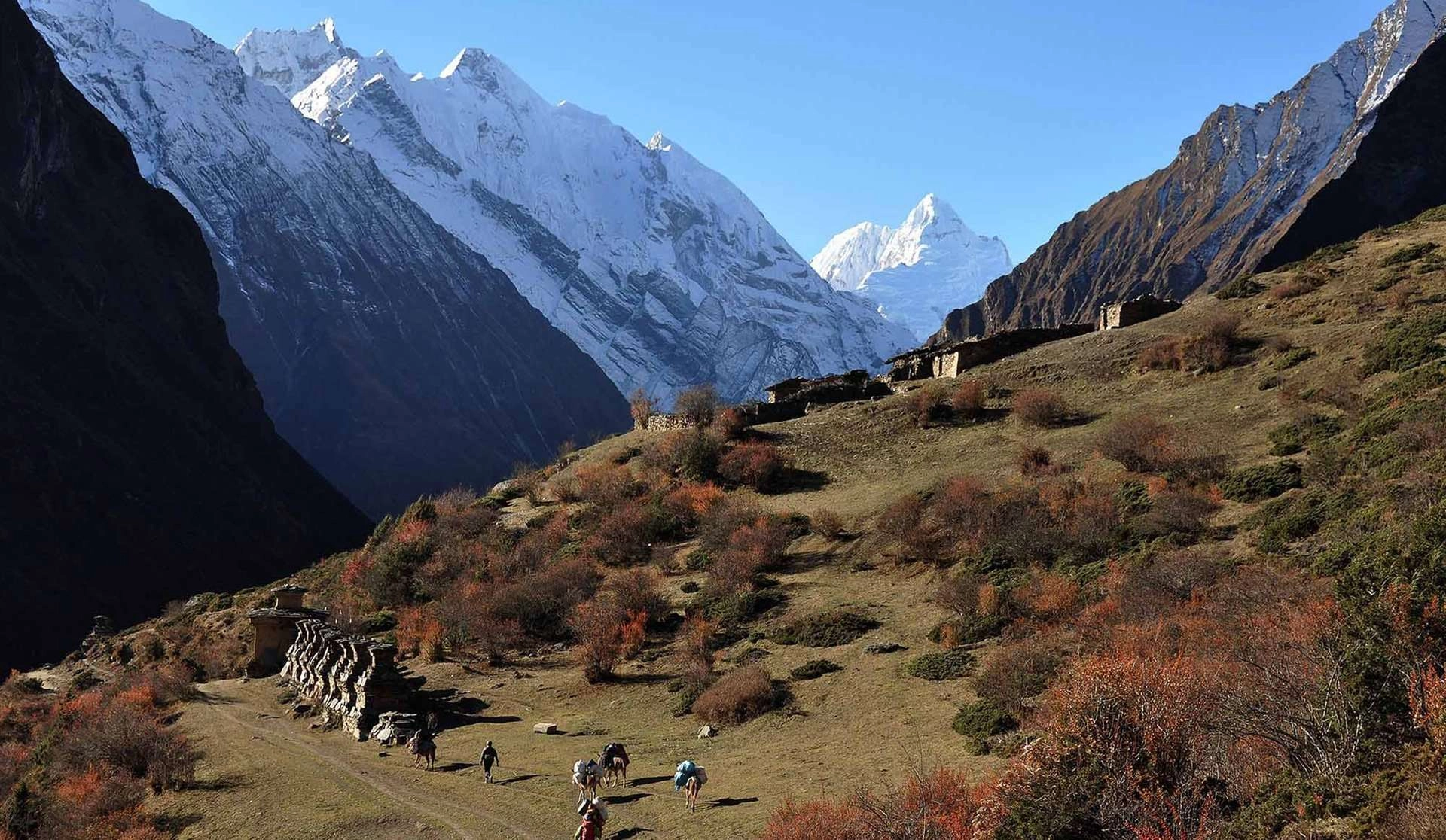
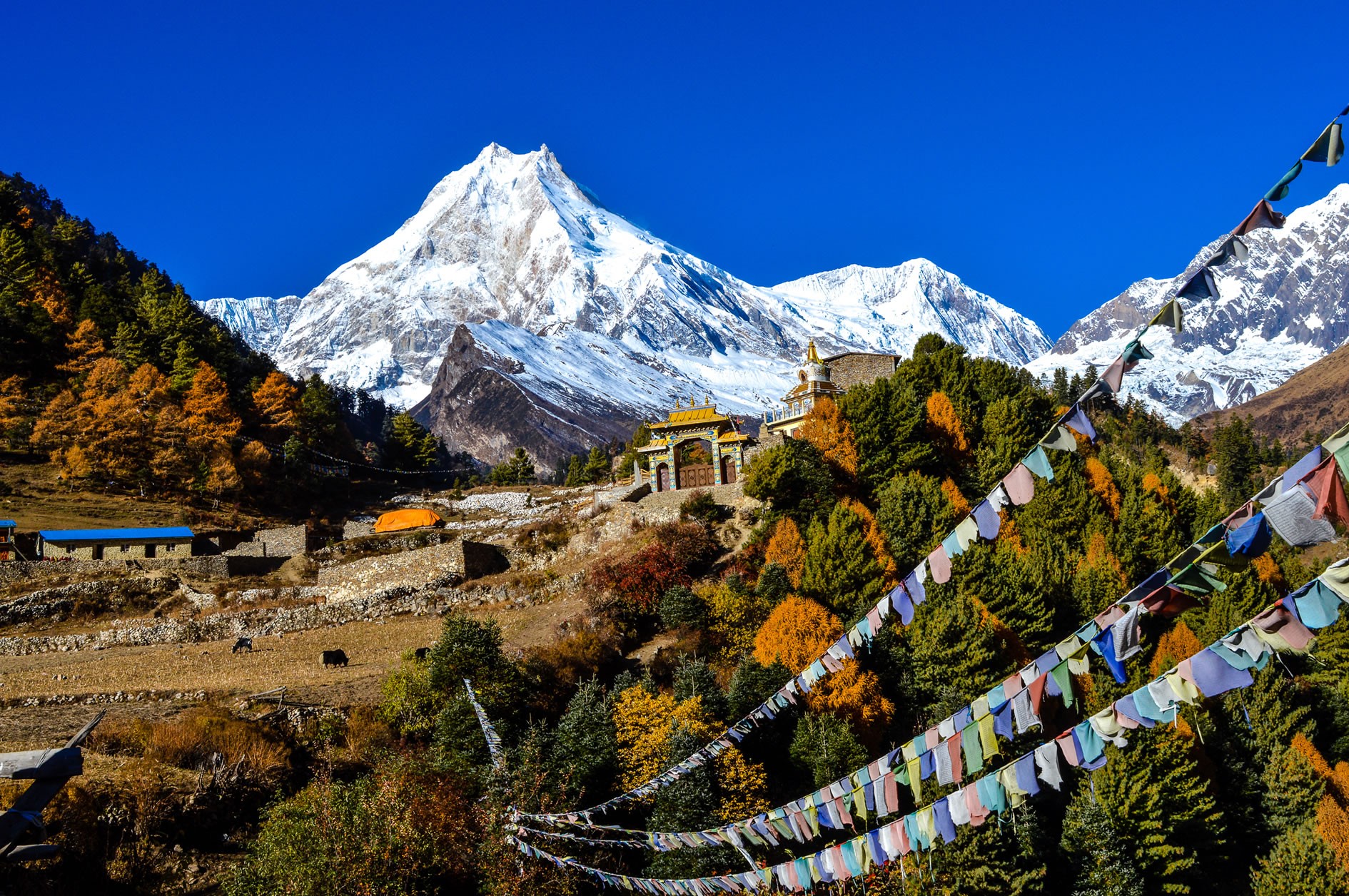
The Tsum Valley Trek is a remarkable 15-day Himalayan journey into one of Nepal’s most secluded and culturally preserved valleys. Hidden within the northern Manaslu region, Tsum Valley is renowned for its deep-rooted Tibetan Buddhist heritage, centuries-old monasteries, traditional villages, and spectacular mountain scenery. This sacred valley remained isolated from the outside world for generations, allowing its unique culture, customs, and spiritual traditions to flourish.
The trail follows the Budhi Gandaki River through remote settlements before branching into the mystical Tsum Valley, where trekkers encounter ancient mani walls, prayer flags, chortens, and welcoming Tibetan-influenced communities. Highlights include visits to the revered Mu Gompa and Rachen Gompa, two important Buddhist monasteries that serve as spiritual centers of the region.
Throughout the trek, travelers enjoy breathtaking views of Ganesh Himal, Himalchuli, Shingri Himal, and surrounding Himalayan peaks while exploring picturesque villages such as Chumling, Chhokang Paro, and Nile. With fewer crowds than Nepal’s popular trekking routes, the Tsum Valley Trek offers a peaceful blend of culture, spirituality, and mountain adventure.
Ideal for trekkers seeking an authentic Himalayan experience, this journey provides a rare opportunity to discover a hidden valley where traditional lifestyles, Buddhist philosophy, and natural beauty remain beautifully preserved.
Trip Highlights
1
Tsum Valley Exploration
Discover one of Nepal’s most remote and culturally preserved Himalayan valleys.
2
Mu Gompa Monastery
Visit the highest and most significant monastery in Tsum Valley at 3,700m.
3
Rachen Gompa
Explore an important Buddhist nunnery surrounded by dramatic mountain scenery.
4
Tibetan Buddhist Culture
Experience ancient traditions, prayer flags, mani walls, chortens, and sacred rituals.
5
Remote Himalayan Villages
Walk through authentic settlements including Chumling, Chhokang Paro, and Nile.
6
Ganesh Himal & Himalchuli Views
Enjoy stunning panoramas of snow-capped peaks throughout the trek.
7
Ancient Monasteries & Sacred Sites
Visit centuries-old spiritual landmarks rich in Buddhist history and heritage.
8
Peaceful Off-the-Beaten-Path Adventure
Experience a less-crowded trekking route with pristine landscapes and authentic local life.
Day-by-Day Itinerary
- Arrival at Tribhuvan International Airport
- Transfer to your hotel in Kathmandu
- Trek briefing and preparation with the guide
- Overnight stay in Kathmandu
- Scenic drive through Arughat and Soti Khola
- Follow the Budhi Gandaki River valley
- Enjoy views of rural hills and terraced fields
- Overnight stay in Machha Khola
- Trek through forests, riversides, and suspension bridges
- Pass small villages and traditional settlements
- Follow the Budhi Gandaki River upstream
- Overnight stay in Jagat
- Enter the restricted Tsum Valley region
- Walk through remote villages and forest trails
- Enjoy views of Shingri Himal and surrounding peaks
- Overnight stay in Lokpa
- Trek through pine forests and traditional settlements
- Experience authentic Tibetan-influenced culture
- Enjoy beautiful views of Ganesh Himal
- Overnight stay in Chumling
- Gradual ascent through scenic mountain terrain
- Pass Buddhist monuments and prayer walls
- Enjoy panoramic views of Himalchuli and Ganesh Himal
- Overnight stay in Chhokang Paro
- Trek through ancient Tibetan Buddhist villages
- Visit the famous Rachen Gompa
- Experience the spiritual atmosphere of Tsum Valley
- Overnight stay in Nile
- Hike to the largest monastery in Tsum Valley
- Explore Mu Gompa and surrounding landscapes
- Enjoy stunning Himalayan panoramas
- Return to Nile for overnight stay
- Descend through traditional villages and forests
- Retrace the scenic trail through Tsum Valley
- Enjoy mountain views along the route
- Overnight stay in Chumling
- Descend through forests and remote settlements
- Reconnect with the Manaslu Circuit trail
- Experience changing landscapes and cultures
- Overnight stay in Deng
- Walk through Buddhist villages and mani walls
- Cross suspension bridges and mountain trails
- Enjoy beautiful views of surrounding peaks
- Overnight stay in Namrung
- Final trekking day through scenic villages
- Descend into lower valleys and forest landscapes
- Complete the trekking portion of the journey
- Overnight stay in Syange
- Scenic drive through hills, rivers, and countryside
- Return to the vibrant capital city
- Enjoy free time in the evening
- Overnight stay in Kathmandu
- Relax and recover after the trek
- Explore UNESCO World Heritage Sites
- Optional shopping and sightseeing activities
- Overnight stay in Kathmandu
- Transfer to Tribhuvan International Airport
- Departure according to your flight schedule
- Trip concludes with unforgettable Tsum Valley memories
Includes / Excludes
What's Included
- Kathmandu–Machha Khola and Syange–Kathmandu transportation by private jeep
- Tsum Valley Restricted Area Permit, MCAP & ACAP permits
- Licensed English-speaking trekking guide throughout the trek
- Porter service for luggage carrying during the trek
- Full board meals (breakfast, lunch, and dinner) during the trek
- Accommodation in local teahouses and lodges
- Acclimatization hikes and trekking support
- Kathmandu sightseeing and free-day assistance
- First aid kit and emergency support services
- Government taxes and all service charges
Not Included
- Nepal entry visa fees
- International and domestic airfare
- Personal trekking equipment and clothing
- Additional porter services if required
- Hot showers, Wi-Fi, charging fees, and personal expenses
- Bottled drinks, snacks, and bar bills
- Travel insurance covering high-altitude trekking and emergency evacuation
- Tips for guides, porters, and trekking staff
- Extra costs caused by delays, weather conditions, or unforeseen circumstances
Frequently Asked Questions
What is the highest point reached during the Tsum Valley Trek?
The highest point of the Tsum Valley Trek is Mu Gompa at approximately 3,700 meters. This sacred monastery offers breathtaking mountain views and a unique insight into the spiritual life of the remote Tsum Valley.
How difficult is the Tsum Valley Trek?
The Tsum Valley Trek is considered moderate to challenging. Trekkers should have a good level of fitness as the route includes long walking days, remote terrain, and gradual altitude gain.
What permits are required for the Tsum Valley Trek?
Trekkers require a Tsum Valley Restricted Area Permit, Manaslu Conservation Area Permit (MCAP), and Annapurna Conservation Area Permit (ACAP). A licensed guide is mandatory for this trek.
Is prior trekking experience necessary?
Previous trekking experience is helpful but not mandatory. Anyone with good physical fitness, proper preparation, and a positive attitude can successfully complete the trek.
Are there altitude-related concerns on this trek?
Although the maximum elevation is around 3,700 meters, trekkers may still experience mild altitude-related symptoms. Proper acclimatization, hydration, and a steady trekking pace are recommended.
What type of accommodation is available during the trek?
Accommodation is provided in local teahouses and guesthouses. Rooms are generally simple but comfortable, offering meals, warm hospitality, and basic facilities throughout the trekking route.
What is the best season for the Tsum Valley Trek?
Spring (March–May) and Autumn (September–November) are the best seasons for the Tsum Valley Trek, providing stable weather, clear mountain views, and excellent trekking conditions.