
Beyond Trekking: The Ultimate Nepal Adventure Activities
Nepal Adventure Activities are globally famous because Nepal is not only about trekking. The trails beneath the Himalayas draw hundreds of thousands of visitors every year, but the country also offers much more than walking mountain trails.
Nepal is globally famous for trekking. The trails beneath the Himalayas draw hundreds of thousands of visitors every year, and rightfully so. But here is something worth knowing—Nepal is not just a trekking destination. It is one of the most adventure-rich countries on the planet, offering a remarkable variety of thrilling activities that go far beyond walking mountain trails.
If you are already planning a trip for trekking, combining it with Nepal Adventure Activities like rafting, paragliding, or jungle safari is one of the smartest travel decisions you can make. The country has everything in one place—raging rivers, deep gorges, open skies, dense jungles, and dramatic landscapes that serve as the perfect backdrop for almost every kind of outdoor adventure imaginable.
This guide covers the best Nepal Adventure Activities you can pair with trekking to make your trip truly unforgettable.
1. White Water Rafting : Ride the Wild Rivers of Nepal
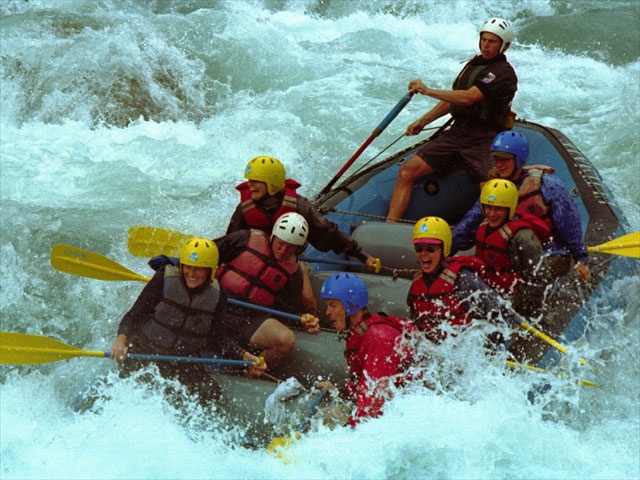
Nepal is home to some of the finest white water rafting rivers in the world. Fed by glacial melt and monsoon rains, the rivers that pour out of the Himalayas are powerful, fast, and incredibly exciting. Whether you are a first-time rafter or an experienced paddler, there is a river that matches your level.
- Trishuli River: The most popular choice for beginners. It flows close to the Kathmandu-Pokhara highway, making it easy to combine with almost any itinerary.
- Bhote Koshi River: For those who want something intense. It is one of the steepest commercially rafted rivers in the world, featuring powerful grade 4 and 5 rapids.
- Sun Koshi & Kali Gandaki: Longer multi-day rafting expeditions. The Sun Koshi is widely considered one of the top ten rafting rivers on Earth.
2. Paragliding : Fly Above the Himalayas
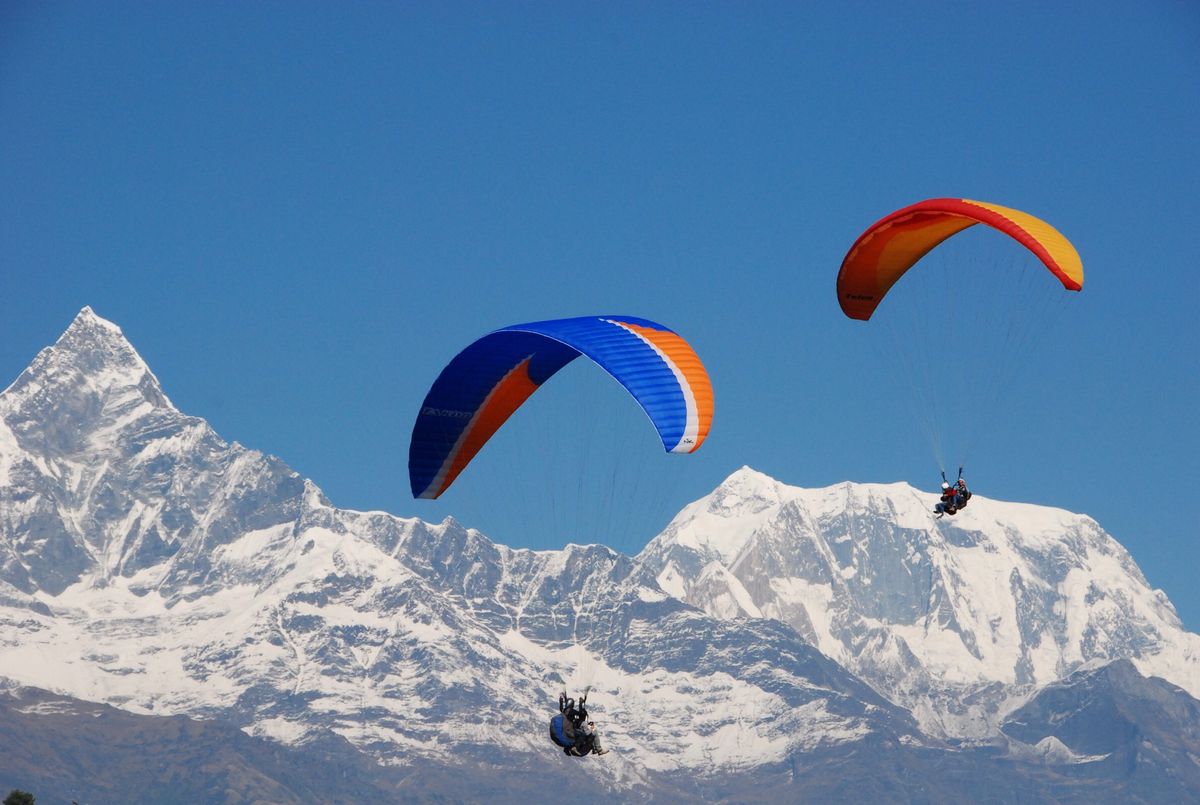
If you want to see the Himalayas from a perspective that very few people ever experience, paragliding is the answer. The adventure capital of Nepal, Pokhara, happens to be one of the best paragliding destinations in the entire world.
Launching from Sarangkot Hill above Pokhara, you soar out over Phewa Lake with the entire Annapurna range spread before you. On a clear day, Machhapuchhre (Fishtail Mountain), Annapurna South, and Dhaulagiri fill the horizon. Tandem flights with certified pilots are perfect for beginners and fit naturally at the start or end of Annapurna region treks.
3. Bungee Jumping : The Ultimate Adrenaline Drop
Nepal offers one of the most dramatic bungee jumping experiences anywhere in the world, sitting conveniently close to popular trekking routes heading toward the Everest region.
The Last Resort bungee involves a 160-meter free fall off a suspension bridge above a roaring Himalayan gorge. The facility also offers a massive canyon swing that takes you on a wild pendulum arc across the gorge, alongside zip-lining and rock climbing options perfect for a dedicated adrenaline day.
4. Jungle Safari : Wildlife Adventures in the Terai
Most trekkers spend their entire time in the mountains and miss the lowland jungle belt along the southern border. Nepal's Terai region is home to world-class wildlife experiences:
- Chitwan National Park: A UNESCO World Heritage Site perfect for spotting the one-horned rhinoceros and Royal Bengal tiger via jeep safaris, canoe rides, or guided walking safaris.
- Bardia National Park: Located in the far west, offering a wilder, more exclusive safari experience. Tiger sightings are reported frequently due to its remote, untamed character.
5. Mountain Biking : Ride Through Himalayan Terrain
From high mountain passes to valley singletracks, Nepal is an exceptional mountain biking destination. Several key routes run parallel to popular trekking trails:
The Annapurna Circuit by bike is a legendary challenge where experienced riders descend from Thorong La Pass (5,416m) through Mustang's desert landscapes. For moderate riders, the singletracks around Pokhara and the Kathmandu Valley rim offer fantastic day rides through ancient towns and forested ridges.
6. Rock Climbing and Peak Climbing
Nepal is steadily building its reputation for technical rock climbing, with sites like Nagarjun Forest (perfect for bouldering and sport climbing) and Hattiban (featuring multi-pitch lines) leading the way near the capital.
For high-altitude transitions, "Trekking Peaks" like Island Peak (6,189m), Mera Peak (6,476m), and Lobuche East (6,119m) can be paired seamlessly with standard treks like Everest Base Camp to deliver a true mountaineering experience without full expedition complexities.
7. Ziplining : The World's Longest Zip Line
Located just outside Pokhara, the Zip Flyer sends you flying down an 1,800-meter altitude drop over a distance of 1.8 kilometers, reaching speeds of up to 120 kilometers per hour. It offers an unmatched panoramic rush of the Annapurna range. A gentler zip-line option is also available at the same facility for family travelers.
8. Yoga and Meditation : Adventure for the Inner Self
Not every adventure needs to send your heart racing. Combining a trek with a spiritual retreat creates a beautifully balanced journey. Kathmandu and Pokhara house world-renowned centers offering multi-day programs, Vipassana meditation courses, and Ayurvedic healing sessions. Dedicated Yoga Trekking packages are also growing rapidly, bringing mindfulness directly to the tea houses.
🛠️ Planning Your Combined Adventure
The key to combining trekking with high-adrenaline sports in Nepal is smart logistics and a realistic itinerary.
Final Thoughts
Nepal rewards travelers who explore beyond trekking, and Nepal Adventure Activities give you experiences from rivers to skies, jungles, and mountains. From rivers and skies to jungles and rock faces, Nepal is a country that keeps giving to those who are willing to explore beyond the obvious.
Come for the trek. Stay for everything else. You will leave with stories from every direction—above the clouds, inside the forest, on the water, and deep within yourself. Pack your full sense of adventure!
See you out there!