Difficulty
Moderate to Challenging
Best Season
March–May & September–November
Overview
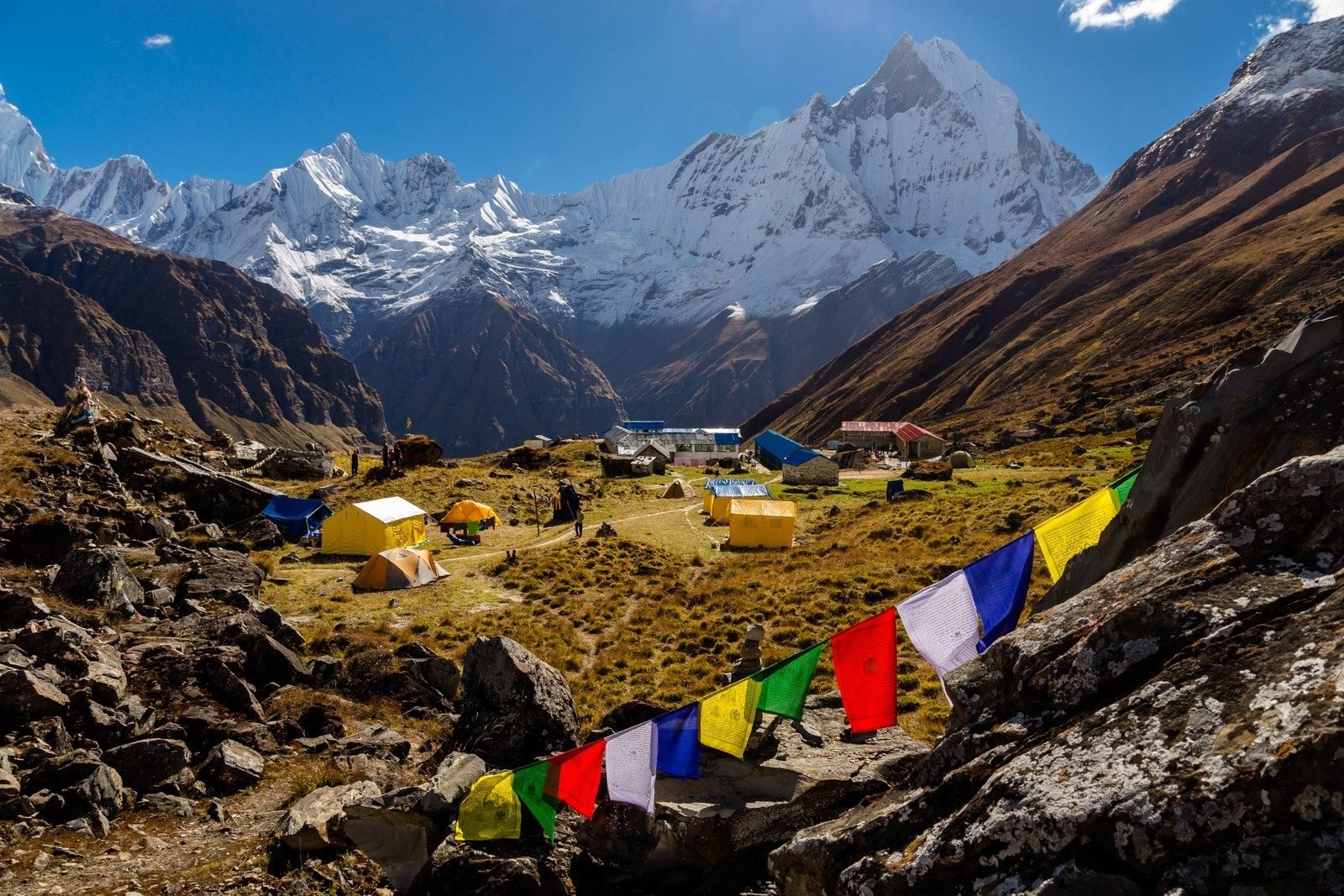
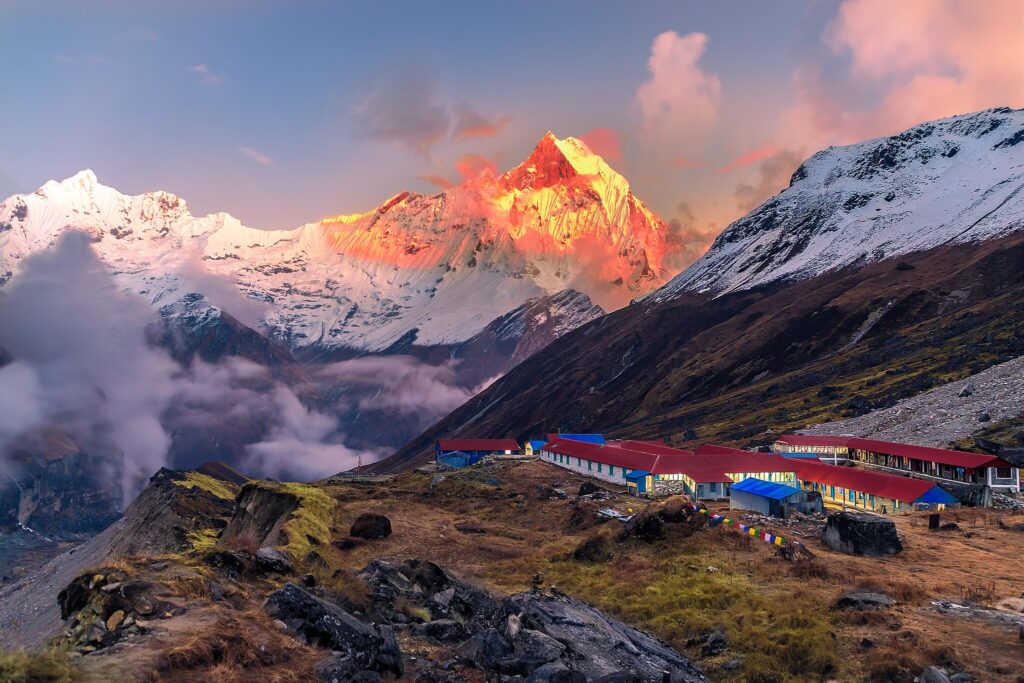
The Annapurna Circuit Trek is one of Nepal’s most renowned trekking routes, offering a diverse range of landscapes, cultures, and breathtaking mountain views. This trek takes adventurers through lush subtropical forests, arid highlands, and along the world’s deepest gorge, the Kali Gandaki.
The ultimate highlight of the trek is crossing the legendary Thorong La Pass (5,416m), one of the highest trekking passes in the world. Along the journey, trekkers witness dramatic changes in scenery, from green valleys and waterfalls to rugged mountain deserts.
The route also provides a rich cultural experience through encounters with Gurung, Thakali, and Manangi communities, each with unique traditions, architecture, and lifestyles influenced by Tibetan culture.
With spectacular Himalayan panoramas, diverse landscapes, ancient monasteries, and rewarding high-altitude adventure, the Annapurna Circuit Trek remains one of the most iconic trekking experiences in Nepal.
Trip Highlights
1
Panoramic Mountain Views
Enjoy spectacular views of Annapurna, Dhaulagiri, Manaslu, and Tilicho Peak throughout the trek.
2
Thorong La Pass
Cross the famous Thorong La Pass (5,416m), one of the highest trekking passes in the world.
3
Diverse Landscapes
Walk through lush forests, alpine meadows, high mountain deserts, and deep valleys.
4
Kali Gandaki Gorge
Explore the world's deepest gorge between Annapurna and Dhaulagiri.
5
Muktinath Temple
Visit the sacred pilgrimage site revered by both Hindus and Buddhists.
6
Tibetan Culture
Experience the traditions, monasteries, and lifestyle of Himalayan communities.
7
Natural Hot Springs
Relax in the therapeutic hot springs of Tatopani after long trekking days.
8
Poon Hill Sunrise
Witness a breathtaking sunrise over the Annapurna and Dhaulagiri ranges.
Day-by-Day Itinerary
- Scenic drive from Kathmandu.
- Reach Syange via Besisahar.
- Beautiful countryside views.
- Follow Marsyangdi River.
- Pass waterfalls and villages.
- Overnight at Dharapani.
- Walk through pine forests.
- Views of Lamjung Himal.
- Reach district headquarters of Manang.
- Follow Marsyangdi Valley.
- Beautiful mountain scenery.
- Reach Pisang village.
- Scenic Upper Pisang route.
- Tibetan-influenced culture.
- Reach Manang village.
- Rest and acclimatization.
- Optional hike to Ice Lake.
- Explore local culture.
- Gradual ascent.
- Alpine scenery.
- Possibility of spotting blue sheep.
- Short uphill trek.
- Prepare for Thorong La crossing.
- Overnight at Thorong Phedi.
- Cross Thorong La Pass (5,416m).
- Spectacular Himalayan views.
- Visit sacred Muktinath Temple.
- Walk via Jomsom.
- Explore apple orchards.
- Overnight at Marpha.
- Descend through villages.
- Relax in hot springs.
- Enjoy lower elevation climate.
- Climb through rhododendron forests.
- Reach Ghorepani village.
- Prepare for Poon Hill hike.
- Sunrise from Poon Hill.
- Trek to Nayapul.
- Drive to Pokhara.
- Return to Kathmandu.
- Trip concludes.
- Departure preparation.
Includes / Excludes
What's Included
- Airport transfers and transportation as per itinerary.
- Accommodation in Kathmandu and Pokhara.
- Teahouse accommodation during the trek.
- Meals (breakfast, lunch and dinner) during the trek.
- Experienced trekking guide and porters.
- Annapurna Conservation Area Permit (ACAP) and TIMS card.
- First aid kit and emergency support.
Not Included
- International airfare and Nepal entry visa.
- Travel and medical insurance.
- Extra accommodation and meals in Kathmandu and Pokhara.
- Personal expenses such as bar bills, hot showers and laundry.
- Tips for guides and porters.
Frequently Asked Questions
What is the highest point reached during the trek?
The highest point is Thorong La Pass at 5,416 meters (17,769 feet).
When is the best time for the Annapurna Circuit Trek?
Spring (March–May) and Autumn (September–November) offer the best weather and mountain views.
Do I need a guide for the trek?
A guide is highly recommended for navigation, safety, and local cultural knowledge.
What permits are required?
You need the Annapurna Conservation Area Permit (ACAP) and TIMS Card.
Bring sturdy trekking boots, layered clothing, sleeping bag, personal medication, and trekking essentials.
Are there changes to the traditional route?
Some sections now have roads, but alternative NATT trails help preserve the trekking experience.
Is travel insurance necessary?
Yes, comprehensive insurance covering high-altitude trekking and emergency evacuation is strongly recommended.
How can I prevent altitude sickness?
Acclimatize properly, stay hydrated, avoid rapid ascent, and monitor symptoms carefully.