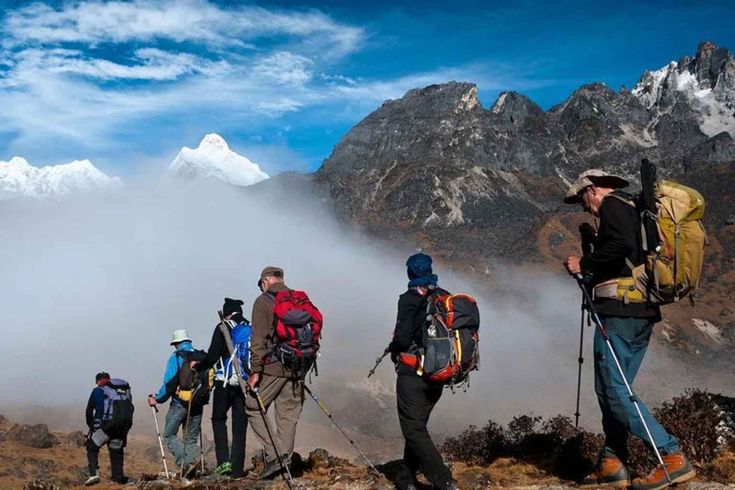
Acute Mountain Sickness Nepal (AMS) GuideLearn about acute mountain sickness nepal trekking. AMS happens when body can't adapt to low oxygen at high altitudes. Usually above 2,500 meters (8,200 feet). Serious if untreated.
AMS can become HAPE or HACE. Both are life-threatening. Know symptoms early. Get help fast. Stay safe during Nepal trekking adventures.
What is Acute Mountain Sickness?
Acute mountain sickness nepal occurs at high elevations. Oxygen levels drop above 2,500m. Body struggles to get enough oxygen. Symptoms appear within hours or days.
Most trekkers get mild AMS. Headache and nausea common. But severe AMS is dangerous. Can lead to coma or death if ignored. Always listen to your body.
AMS affects everyone differently. Some get sick quickly. Others never get symptoms. Age doesn't matter. Fitness doesn't guarantee protection. Anyone can get AMS.
Primary Causes
Rapid ascent causes most AMS. Going too high too fast. Body needs time to adjust. Speed kills in mountains. Ascend gradually always.
Overexertion during climb worsens AMS. Pushing too hard exhausts body. Rest when needed. Don't compete with others. Your pace matters most.
Dehydration and poor nutrition trigger AMS. Need 3-4 liters water daily. Eat high-carb meals. Alcohol and smoking worsen symptoms. Stay hydrated and nourished.
Sleeping at high altitude without adjustment causes AMS. Gradual acclimatization prevents sickness. Sleep lower than max height. Follow "climb high, sleep low" rule.
AMS Symptoms by Severity
AMS symptoms vary by severity. Know mild, moderate, severe signs. Act quickly when symptoms appear. Don't wait. Descend if worsening.
Mild AMSHeadache, nausea, dizziness, loss of appetite, fatigue, shortness of breath, disturbed sleep. Rest and hydrate.
Moderate AMSPersistent headache (no relief), severe nausea/vomiting, difficulty walking, shortness of breath at rest. Descend 500m.
Severe (Emergency)Confusion, loss of coordination, blue/gray skin, coughing pink frothy fluid. Descend immediately. Emergency!
Mild AMS is common. Headache and nausea typical. Rest 24 hours. Hydrate heavily. Take pain meds if needed. Most recover quickly.
Moderate AMS needs action. Headache won't go away. Vomiting持续. Can't walk properly. Breathe hard even resting. Descend 500m minimum. Don't wait.
Severe AMS is emergency. Confusion and chaos. Can't coordinate movements. Skin turns blue. Cough pink fluid. DESCEND NOW. Life-threatening! Call for help.
Prevention Strategies
Prevent acute mountain sickness nepal with smart planning. Gradual ascent is key. Max 500m per day above 3,000m. Sleep lower. Acclimatize properly.
Schedule rest days. Every 3-4 days, rest. Don't climb continuously. Body needs recovery. Rest days prevent AMS. Plan them in trek itinerary.
Hydrate constantly. Drink 3-4 liters water daily. Urine should be clear. Dehydration causes AMS. Carry water bottle. Sip regularly. Don't wait until thirsty.
Eat high-carbohydrate meals. Carbs give energy. Need calories at altitude. Eat frequently. Don't skip meals. Nutrition prevents sickness. Focus on carbs.
Avoid alcohol and smoking. Both worsen AMS. Alcohol dehydrates. Smoking reduces oxygen. No alcohol on trek. No smoking. Stay clean for safety.
Treatment & Emergency
If AMS symptoms appear: Rest immediately. Hydrate heavily. Notify your guide. Don't climb higher. Wait for recovery. Most mild cases heal in 24 hours.
If symptoms worsen: Descend immediately. Minimum 500m down. This is the only cure. Oxygen helps temporarily. Portable chamber works. But descent is best.
Severe AMS = emergency descent. Get help fast. Call rescue if needed. Use oxygen. Descend to lower altitude. Hospital if critical. Don't delay.
Diamox (Acetazolamide) helps prevent AMS. Take before trek. Consult doctor first. Not for everyone. Side effects exist. Medicine helps but doesn't replace descent.
Disclaimer: Consult doctor regarding Acetazolamide (Diamox) before trip. Always listen to your body. AMS can be deadly. Safety first.
AMS at Popular Nepal Trekking Altitudes
AMS risk increases with altitude. Everest Base Camp: 5,364m. High risk. Annapurna Base Camp: 4,130m. Moderate risk. Langtang: 4,620m. Moderate-high risk.
Sarangkot zipline: 1,625m. No AMS risk. Pokhara: 827m. Safe. Kathmandu: 1,400m. Low risk. Below 2,500m, AMS unlikely. Safe for most travelers.
Trek above 3,000m requires acclimatization. Plan rest days. Ascend slowly. Know symptoms. Carry meds. Have emergency plan. AMS is common but preventable.
Combine with Tour Packages
Your AMS knowledge fits Nepal tour planning. Book complete tour with trek guidance. Get hotels, transfers, guides included. Professional help ensures safety.
Many tour operators provide AMS training. They teach prevention. Share symptoms info. Prepare emergency plans. Book tour with safety support. Stay informed.
Check our tour options for Nepal adventures. Customize with trekking trips. Get flight and hotel bookings. Professional guides plan safe journeys. AMS prepared.
Beyond AMS info, Nepal offers incredible trekking. Everest Base Camp, Annapurna Circuit, Langtang Valley are famous routes. World-class mountain trekking experiences.
AMS knowledge essential for trekking. All trekkers need AMS awareness. Know symptoms. Prevent sickness. Descend if severe. Trek safely with AMS prep.
Many trekkers ignore AMS. Dangerous mistake. Listen to body. Respect altitude. Ascend gradually. AMS prevents bad trips. Safety makes great treks.
Explore our trekking guides for Himalayan adventures. Each route offers unique views. Professional trekking guides ensure safety. AMS prepared. Book trekking packages.
Final Safety Tips
Learn acute mountain sickness nepal facts before trek. Know symptoms. Prevent sickness. Treat properly. Descend if severe. Stay safe on mountains.
Plan trek with acclimatization. Ascend 500m max daily. Rest every 3 days. Hydrate 4 liters. Eat carbs. No alcohol. AMS prevention works.
Listen to your body daily. Report symptoms early. Don't ignore headaches. Nausea means stop. Descend if worsening. Safety over summit. Live to trek again.
Get AMS guide from experienced trekkers. Learn from others. Share knowledge. Prepare properly. Acute mountain sickness nepal is real but manageable. Trek safely.
Remember: AMS kills but prevents. Knowledge saves lives. Descend if severe. Don't be hero. Safety first. Enjoy Nepal trekking. Come back healthy. Acute mountain sickness nepal manageable with prep.