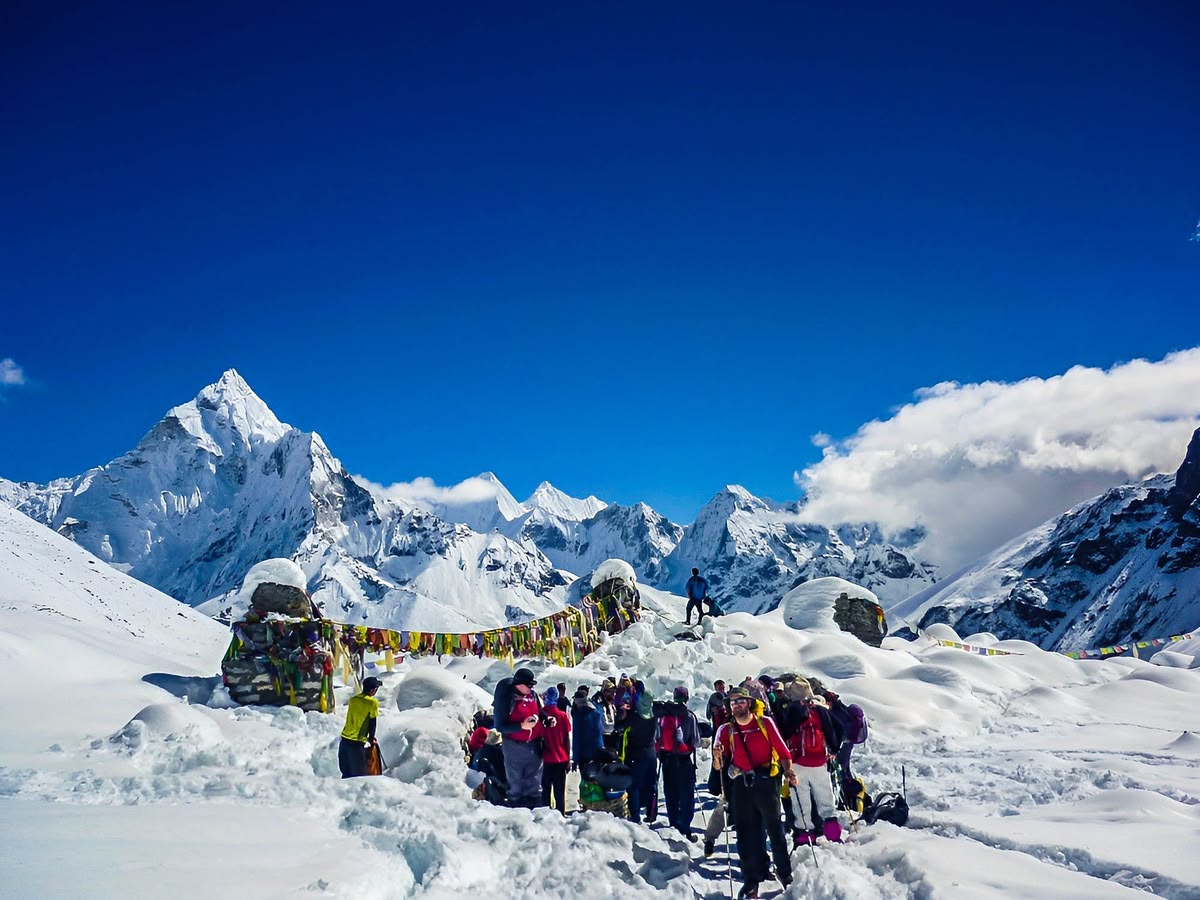
Trek Difficulty Levels – Find the Right Trek for YouLearn about trek difficulty nepal ranges. Nepal offers wide trekking experiences. Easy scenic hikes to extreme high-altitude expeditions. Choose trek matching your fitness.
Understanding trek difficulty helps choose right trek. Match fitness, experience, comfort level. Start easy if new. Build up to challenging treks over time.
Level 1: Easy Trek Difficulty
Easy trek difficulty nepal perfect for beginners. Below 3,000m or 9,800ft altitude. Well-maintained trails with gentle ascents. Comfortable lodges and tea houses available.
Popular easy treks include Ghorepani Poon Hill. Nagarkot to Dhulikhel easy too. Australian Camp perfect beginner trek. Scenic views without big challenge.
Easy treks take 3-5 hours daily. No AMS risk below 3,000m. Family-friendly options available. Good for first Nepal trek. Build confidence with easy treks.
Easy trek difficulty requires basic fitness. Walk regularly before trek. No special training needed. Comfortable shoes essential. Pack light for easy treks.
Level 2: Moderate Trek Difficulty
Moderate trek difficulty nepal bit more challenge. Up to 4,500m or 14,750ft altitude. 5-7 hours trekking per day standard. Steep ascents and descents common.
Mild AMS risk at moderate altitude. Acclimatization days needed. Popular moderate treks: Everest Panorama, Langtang Valley. Annapurna Base Camp moderate too.
Moderate treks need good fitness. Train 2-3 months before. Walk 5+ hours regularly. Build stamina with hills. Cardio exercises help moderate trek prep.
Moderate trek difficulty suits experienced beginners. First high-altitude trek? Start moderate. Learn AMS signs. Get acclimatization experience. Build for challenging treks later.
Level 3: Challenging Trek Difficulty
Challenging trek difficulty nepal for experienced trekkers. Above 5,000m or 16,400ft altitude. 6-8 hours trekking daily. Remote, rugged trails ahead.
High AMS risk at challenging altitude. Serious acclimatization needed. Popular treks: EBC (Everest Base Camp), Gokyo Lakes. Renjo La Pass, Manaslu Circuit challenging.
Challenging treks need strong fitness. Train 4-6 months before. Walk 6+ hours regularly. Build leg strength. Hike with weight. Cardio essential for challenging trek.
Challenging trek difficulty requires trekking experience. Do moderate treks first. Learn high-altitude trekking. Get AMS knowledge. Prepared for challenging Nepal adventures.
Level 4: Strenuous Trek Difficulty
Strenuous trek difficulty nepal for adventure seekers. Above 5,500m or 18,000ft altitude. 8+ hours trekking daily. High passes, glaciers, technical sections.
Extreme AMS risk at strenuous altitude. Multiple acclimatization days needed. Popular treks: Three Passes Trek. Upper Dolpo, Kang La Pass strenuous adventures.
Strenuous treks need expert fitness. Train 6+ months before. Walk 8+ hours with weight. Build extreme stamina. Mountain hiking experience essential for strenuous trek.
Strenuous trek difficulty suits adventure experts. Do challenging treks first. Get high-altitude experience. Learn emergency signs. Prepared for strenuous Nepal expeditions.
Level 5: Technical Trek Difficulty
Technical trek difficulty nepal for mountaineers. Requires technical climbing skills. Rope skills essential. Ice, rock, glacier traverses ahead.
Expert guides required for technical trekking. Popular peaks: Mera Peak, Island Peak. Ama Dablam technical climb too. Mountaineering experience needed.
Technical treks need mountaineering training. Get climbing courses first. Learn ice axe use. Practice rope skills. Build climbing strength. Technical trek requires experts.
Technical trek difficulty suits mountaineers only. Do strenuous treks first. Get altitude experience. Learn climbing skills. Certified guides mandatory for technical Nepal peaks.
How to Choose the Right Trek?
- 🔹 Fitness Level: Match trek with physical endurance. Train appropriately.
- 🔹 Altitude Experience: New to high-altitude? Start moderate. Build experience.
- 🔹 Time Availability: Longer treks need more acclimatization days. Plan time.
- 🔹 Season: Best months: Spring (March-May), Autumn (Sept-Nov). Avoid monsoon.
Trek Difficulty by Altitude
Trek difficulty relates to altitude. Easy below 3,000m. No AMS risk. Moderate 3,000-4,500m. Mild AMS possible. Challenging 4,500-5,500m. High AMS risk.
Strenuous above 5,500m. Extreme AMS danger. Technical varies by peak. Mera Peak 6,476m. Island Peak 6,189m. Ama Dablam 6,812m. All technical climbs.
Altitude determines trek difficulty. Higher means harder. Acclimatization critical above 3,000m. Ascend 500m daily max. Sleep lower. Know AMS signs. Safety first.
Popular Trek Routes by Difficulty
Easy routes: Ghorepani Poon Hill 3,210m. Nagarkot-Dhulikhel 2,500m. Australian Camp 2,000m. All beginner-friendly. Scenic views guaranteed. No AMS risk.
Moderate routes: Everest Panorama 3,800m. Langtang Valley 4,380m. Annapurna Base Camp 4,130m. Some AMS risk. Acclimatization needed. Good fitness required.
Challenging routes: EBC 5,364m. Gokyo Lakes 5,357m. Renjo La Pass 5,340m. Manaslu Circuit 5,160m. High AMS risk. Serious acclimatization. Strong fitness essential.
Strenuous routes: Three Passes 5,400m. Upper Dolpo 5,400m. Kang La Pass 5,400m. Extreme AMS danger. Multiple acclimatization days. Expert fitness needed.
Technical routes: Mera Peak 6,476m. Island Peak 6,189m. Ama Dablam 6,812m. Mountaineering required. Climbing skills essential. Expert guides mandatory.
Trek Difficulty and AMS Risk
Trek difficulty correlates with AMS risk. Easy treks below 3,000m. No AMS. Moderate 3,000-4,500m. Mild AMS possible. Learn signs. Descend if symptoms.
Challenging treks 4,500-5,500m. High AMS risk. Serious acclimatization needed. Know prevention. Descend 500m if severe. Safety over summit. Live to trek again.
Strenuous treks above 5,500m. Extreme AMS danger. Multiple rest days essential. Oxygen may help. Portable chamber works. But descent is best cure. Never ignore AMS.
Technical peaks vary by altitude. All above 6,000m. Maximum AMS risk. Mountaineering training required. Expert guides essential. Emergency plans mandatory. Safety critical.
Combine with Tour Packages
Your trek difficulty knowledge fits Nepal tour. Book complete tour with trek guidance. Get hotels, transfers, guides included. Professional help ensures right difficulty match.
Many tour operators assess trek difficulty. They match fitness levels. Share experience requirements. Prepare equipment lists. Book tour with difficulty support. Stay safe.
Check our tour options for Nepal adventures. Customize with trekking trips. Get difficulty-appropriate treks. Professional guides plan safe journeys. Trek difficulty matched.
Explore Trekking Adventures
Beyond trek difficulty, Nepal offers amazing trekking. Everest Base Camp, Annapurna Circuit, Langtang Valley famous routes. World-class Himalayan trekking experiences await.
Trek difficulty knowledge essential. All trekkers need difficulty awareness. Choose right level. Train properly. Ascend gradually. Safety makes great treks. Enjoy Nepal.
Many ignore trek difficulty. Dangerous mistake. Match fitness. Respect altitude. Train appropriately. AMS prevents bad trips. Safety over summit. Come back healthy.
Explore our trekking guides for Himalayan adventures. Each route offers unique views. Professional trekking guides ensure safety. Difficulty matched. Book trekking packages easily.
Final Trek Difficulty Nepal Tips
Learn trek difficulty nepal facts before trek. Choose right level. Train appropriately. Acclimatize properly. Know AMS signs. Safety first. Enjoy Nepal trekking.
Plan trek with difficulty match. Easy if beginner. Moderate if experienced. Challenging if expert. Never overestimate fitness. Start lower. Build up safely over time.
Listen to body daily. Report fatigue early. Don't push too hard. Rest when needed. Descend if sick. Safety over summit. Live to trek again. Trek smart.
Get trek difficulty guide from experts. Learn from experienced trekkers. Share knowledge. Prepare properly. Trek difficulty nepal manageable with right choice. Trek safely.
Remember: Difficulty determines experience. Choose wisely. Train hard. Acclimatize well. Know signs. Descend if sick. Safety first. Enjoy Nepal. Trek difficulty nepal key to great treks.