Start & End
Kathmandu-Lukla
Best Season
March–May & September–November
Overview
If you’ve ever dreamed of trekking to the heart of the Annapurnas, where stunning vistas of snow-capped peaks meet vibrant forests and hidden villages, then the Mardi Himal Trek is your gateway to an unforgettable adventure. In just 7 days, this trek takes you through serene landscapes, where nature’s untouched beauty is at its most raw and captivating.
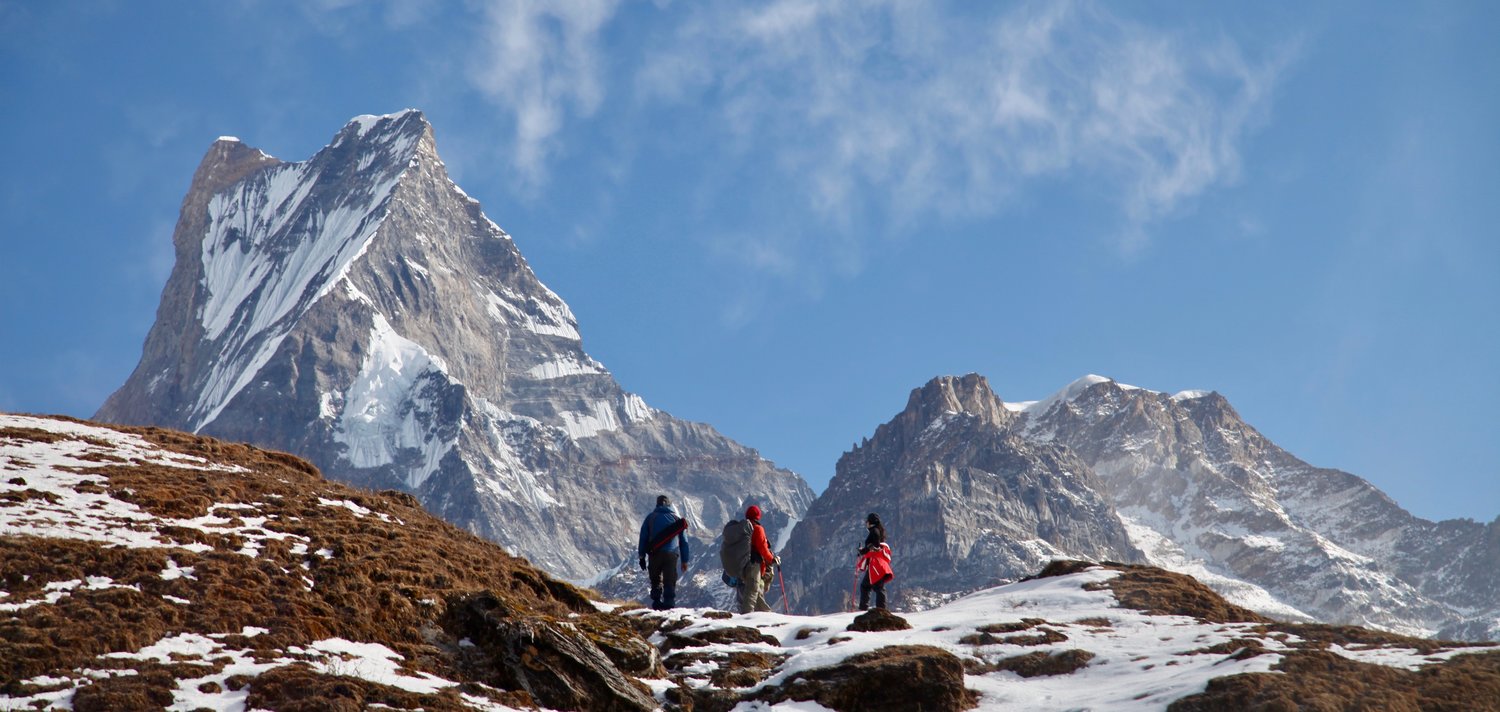
Starting from the lively city of Pokhara, you gradually ascend into peaceful mountain trails that lead you to Mardi Himal Base Camp (4,500m), right beneath the iconic Machhapuchhre (Fish Tail). Here, the Himalayas feel incredibly close, powerful, and silent at the same time.
With moderate difficulty and a perfect mix of nature, culture, and mountain spirituality, this trek is ideal for anyone seeking a short but deeply immersive Himalayan experience. You’ll walk through rhododendron forests, traditional Gurung villages, and high ridges with constant views of Annapurna, Machhapuchhre, Hiunchuli, and surrounding peaks.
The Mardi Himal Trek offers a peaceful, less crowded alternative in the Annapurna region, making it one of the best short treks in Nepal for beginners and adventure lovers alike.
Best Seasons to Trek Mardi Himal
Spring (March–May): Rhododendrons bloom, clear skies, and warm weather.
Autumn (September–November): Stable weather, crystal-clear mountain views, peak trekking season.
Winter (December–February): Cold but peaceful with fewer trekkers and snowy landscapes.
Monsoon (June–August): Not recommended due to rain, slippery trails, and landslides.
Trip Highlights
1
Stunning Himalayan Views
Enjoy panoramic views of Annapurna, Machhapuchhre (Fishtail), Hiunchuli, and surrounding peaks throughout the trek.
2
Mardi Himal Base Camp (4,500m)
Reach the breathtaking base camp surrounded by towering Himalayan giants and dramatic landscapes.
3
Australian Camp Sunrise
Witness unforgettable sunrise views over the Annapurna range from scenic viewpoints like Australian Camp.
4
Peaceful Forest Trails
Walk through dense rhododendron and oak forests filled with birds, wildlife, and natural beauty.
5
Authentic Gurung Villages
Experience warm hospitality and traditional mountain lifestyle in villages like Forest Camp and Sidhing.
6
Less Crowded Trekking Route
Enjoy a peaceful trail compared to other popular Annapurna routes, perfect for a calm Himalayan experience.
7
Rhododendron Forests
Walk through colorful blooming forests in spring that turn the entire trail into a natural paradise.
8
Short Yet Rewarding Adventure
Complete a full Himalayan trekking experience in just 7 days without compromising on scenery or adventure.
Day-by-Day Itinerary
- Arrival at Tribhuvan International Airport
- Transfer to hotel in Kathmandu
- Trek briefing and preparation
- Free time to explore or rest
- Overnight stay in Kathmandu
- Scenic drive (6–7 hrs) or short flight (25 mins)
- Enjoy views of rivers, hills, and mountains
- Arrival in Pokhara lakeside city
- Evening walk around Phewa Lake
- Overnight stay in Pokhara
- Drive to Kande, trek starting point
- Ascend via Australian Camp viewpoint
- First panoramic views of Annapurna range
- Walk through rhododendron forest trails
- Reach Forest Camp for overnight stay
- Steady climb through dense forest and alpine terrain
- Increasing views of Machhapuchhre and Annapurna
- Open ridges and scenic mountain landscapes
- Arrival at High Camp
- Overnight stay at High Camp
- Early morning hike to Mardi Himal Base Camp
- Close-up views of Machhapuchhre and Annapurna I
- Explore breathtaking Himalayan panorama
- Descend back to Low Camp
- Overnight stay at Low Camp
- Descend through Gurung villages and forest trails
- Reach Sidhing village
- Drive back to Pokhara
- Relax at lakeside in the evening
- Overnight stay in Pokhara
- Drive or fly back to Kathmandu
- Enjoy final views of Nepal landscapes
- Free time for shopping or sightseeing
- Trip concludes
Includes / Excludes
What's Included
- Airport pick-up and drop-off in Kathmandu
- Private or tourist bus / flight between Kathmandu and Pokhara
- Kande to Pokhara local transportation
- 3 nights hotel accommodation (Kathmandu & Pokhara)
- Teahouse accommodation during the trek
- All standard meals (Breakfast, Lunch, Dinner) during trekking
- Experienced licensed trekking guide
- Required trekking permits (ACAP & TIMS card)
- First aid medical kit
- Porter service (2 trekkers = 1 porter)
- All government taxes and service charges
Not Included
- International airfare
- Nepal visa fees
- Lunch & dinner in Kathmandu and Pokhara
- Personal trekking gear and clothing
- Hot showers, Wi-Fi, and charging fees in teahouses
- Alcoholic drinks, snacks, and bottled beverages
- Travel insurance (mandatory for trekking)
- Personal expenses (laundry, phone calls, etc.)
- Tips for guide and porter
- Any expenses due to weather delays or emergencies
Frequently Asked Questions
What is the altitude of Mardi Himal Base Camp?
Mardi Himal Base Camp is located at an elevation of 4,500 meters (14,763 feet) above sea level, offering stunning views of the Annapurna range and Machhapuchhre.
How difficult is the Mardi Himal Trek?
The Mardi Himal Trek is considered a moderate trek. It involves daily walking of 5–7 hours with some steep ascents and descents, but it is suitable for beginners with good fitness.
What is the best time to do the Mardi Himal Trek?
The best seasons are spring (March–May) and autumn (September–November) when the weather is clear, stable, and mountain views are at their best.
What permits are required for this trek?
You need two permits: the Annapurna Conservation Area Permit (ACAP) and the Trekkers’ Information Management System (TIMS) card.
What type of accommodation is available on the trek?
The trek offers teahouse accommodation along the route. Rooms are basic but comfortable, with local food and warm hospitality.
Is Wi-Fi available during the Mardi Himal Trek?
Yes, Wi-Fi is available in many lodges along the route, but the connection can be slow and may require extra payment.
Do I need prior trekking experience?
No prior trekking experience is required. However, good physical fitness and preparation will make the trek more enjoyable and comfortable.