
The Ultimate Nepal Trekking Packing List
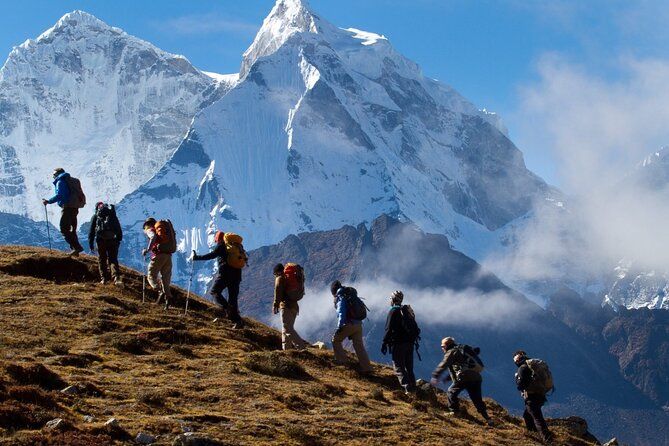
Whether you are trekking to Everest Base Camp, Annapurna Base Camp, Langtang Valley, or the Manaslu Circuit, this Nepal trekking packing list covers everything you need for a safe and comfortable Himalayan adventure.
Packing for a Nepal trek is one of those things that sounds straightforward until you actually sit down and start doing it. Too little and you suffer on the trail. Too much and your back pays the price every single day. Getting the balance right is one of the most important parts of preparing for a successful trek, and it is something many first-time trekkers get wrong. Check our Everest Base Camp guide for more details.
The good news is that packing smart for Nepal is not complicated once you understand the environment, the climate, and what the trail actually demands. This guide breaks it all down for you - category by category - so you can pack with confidence and hit the trail knowing you have everything you need and nothing you do not.
Every unnecessary item you pack is weight you carry - every single day, up every single hill, at every single altitude. Even half a kilogram adds up over the course of a two-week trek. A good target for most Nepal treks is a total pack weight of 8 to 12 kilograms including a sleeping bag. Lay everything out before packing, then remove roughly one third of what you initially selected.
Footwear : Your Most Important Investment
Your feet carry you through the entire trek. Getting footwear right is non-negotiable.
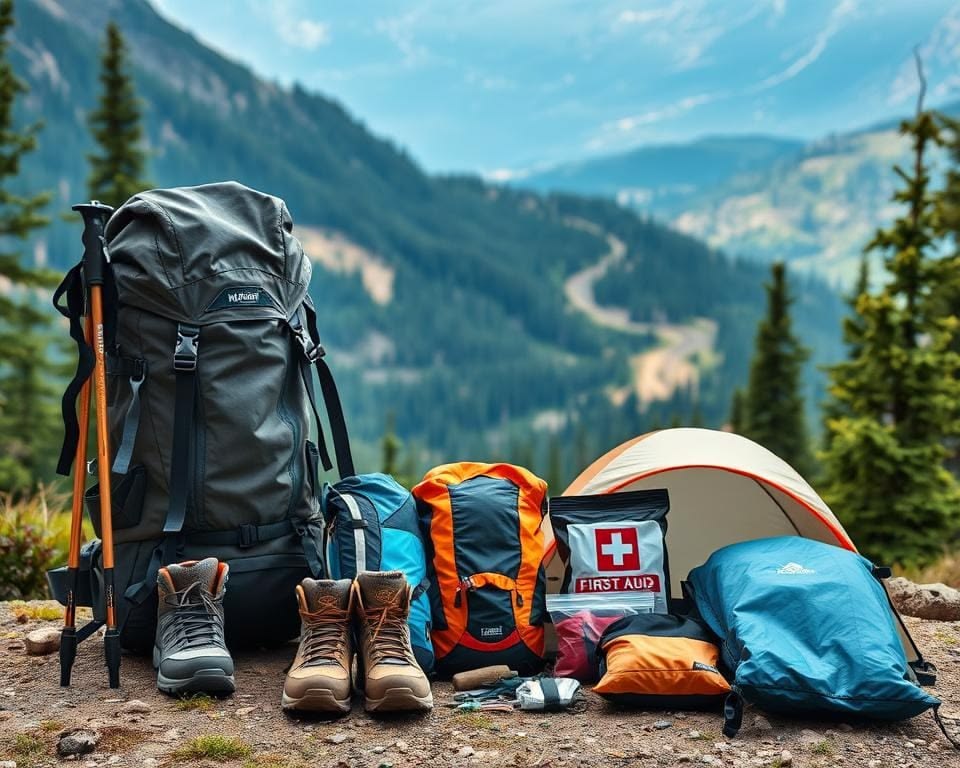
🥾 Trekking Boots: This is the single most important item you will pack. Choose waterproof, ankle-supporting boots with a solid grip sole. Your boots must be broken in before you arrive in Nepal. Wear them on long walks, weekend hikes, and around town for at least six to eight weeks before your trip.
🩴 Trekking Sandals or Camp Shoes: Essential for the evenings. After a full day in boots, your feet need to breathe. A light pair of sandals or slip-on shoes for wearing around the tea house will make a noticeable difference to your comfort each night.
🧦 Wool Trekking Socks: Bring four to five pairs of quality wool socks. Merino wool is the best choice as it regulates temperature, wicks moisture, and resists odor. Avoid cotton socks entirely—they hold moisture and cause blisters.
💪 Gaiters: Worth packing if you are trekking in spring or autumn when snow can appear on higher sections of the trail.
Clothing : The Layering System
Nepal's mountain environment means temperatures can swing dramatically within a single day. The solution is a layering system that lets you add and remove clothing as conditions change.
- Base layer: 2-3 moisture-wicking tops & 1 pair of bottoms (Merino wool or quality synthetic).
- Mid layer: 1 warm fleece jacket or softshell jacket for active trekking in cold conditions.
- Outer layer: 1 waterproof & windproof shell jacket and matching shell trousers with taped seams.
- Down jacket: Essential for higher elevations and freezing evenings. Do not leave this behind.
- Trousers & Underwear: 2 pairs of quick-drying trousers (convertible is best) & 3-4 pairs of synthetic/merino underwear.
- Head & Hands: Warm wool/fleece beanie, lightweight liner gloves, and a wide-brimmed sun hat or cap.
- Trail Handy Items: A versatile Buff/neck gaiter, thermal long johns for sleeping, and a light packable rain poncho.
Backpack, Carry & Sleeping Gear
Having the right gear to protect your clothing and ensure a good night's sleep is critical for muscle recovery at high altitudes.
🎒 Packs & Carrying Support
Main Backpack / Day Pack: A 50 to 65 liter pack is standard if you manage your own gear. If using a porter, they carry your main pack (up to 20kg), while you carry a smaller 20 to 25 liter lightweight daypack for daily essentials (water, snacks, layers, documents).
Waterproofing & Poles: Always pack a spare rain cover. Use dry bags or zip-lock bags inside your pack for electronics and documents. Collapsible trekking poles are highly recommended to save your knees during steep mountain descents.
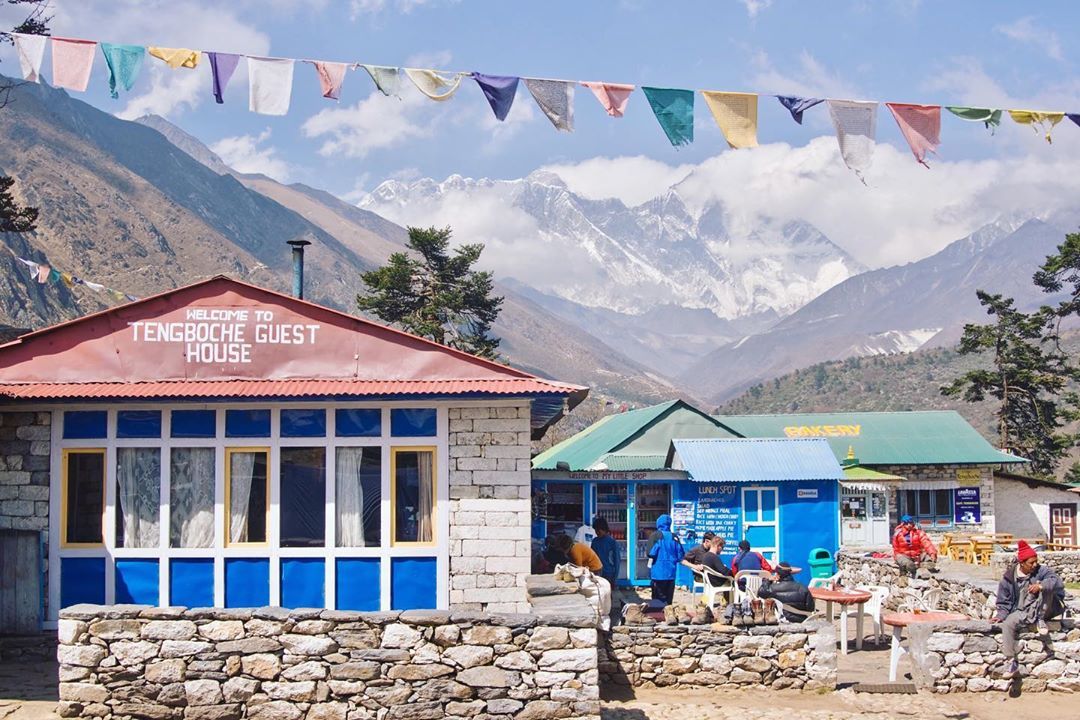
🛌 Sleep Systems for Tea Houses
Sleeping Bag: Bring a bag rated to at least minus 15 degrees Celsius. Tea houses provide blankets, but they are not always warm or clean enough at high altitudes.
Hygiene & Comfort: A silk or fleece sleeping bag liner adds warmth and maintains personal hygiene. A small inflatable travel pillow weighs almost nothing but improves your sleep quality significantly.
🩺 Health, Hygiene & First Aid
Stomach bugs and blisters are common on the trail. Build your own targeted medical kit instead of relying on generic pre-packaged ones.
Always consult your doctor before taking Diamox for altitude sickness prevention.
Electronics, Food & Water Logistics
Cold mountain temperatures drain device batteries rapidly, and staying properly hydrated is directly connected to preventing altitude sickness.
⚡ Electronics: A dependable headlamp is mandatory for early pre-dawn starts and common tea house power cuts. Bring a high-capacity portable power bank, a universal travel adapter, and keep your spare batteries stored close to your body to keep them warm.
🗺️ Navigation: Download offline maps of your trekking region on apps like Maps.me or Gaia GPS before leaving Kathmandu. Mobile data coverage is highly unreliable on the trails.
💧 Water Purification: Carry a 1 to 2 liter water capacity. Do not drink untreated tap or stream water. Use water purification tablets, a SteriPen UV purifier, or a filter like a Sawyer Squeeze to minimize environmental plastic waste.
🍫 Energy Snacks: Pack trail mix, nuts, energy bars, dark chocolate, and electrolyte sachets. Exertion and high altitude quickly deplete your body's energy levels between tea house meals.
Important Documents & Financials
Keep these items inside a secure, waterproof pocket within your daypack so they are easily accessible at structural checkpoints:
- Passport & Permits: Original passport and all required trekking permits are verified regularly by local authorities.
- Travel Insurance: Carry printed copies verifying that your policy explicitly covers high-altitude trekking and emergency helicopter evacuation.
- Cash in Nepali Rupees: ATMs are non-existent beyond Namche Bazaar or Pokhara. Always withdraw enough cash in advance, as prices increase with altitude.
- Emergency Contacts: Keep a physical written list containing details for your embassy, your trekking agency, your guide, and home contacts.
What to Leave Behind
Knowing what not to pack is just as vital. Leave behind cotton clothing of any kind—it holds moisture, dries slowly, and is unsafe in freezing conditions. Swap heavy books for digital versions, decant full-sized toiletries into tiny travel containers, and discard items that serve no practical trail function.
Ask yourself: Will I genuinely use this on the trail? If the honest answer is probably not, leave it behind in your Kathmandu hotel storage.
Final Thoughts
Packing smart is ultimately about respect - respect for your body, respect for the trail, and respect for the experience ahead of you. A well-packed bag does not just make the trek more comfortable. It makes you more present, more capable, and more free to enjoy every moment of one of the great adventures this world has to offer.
Take only what you truly need. Walk light. Walk far. And enjoy every single step. A lighter pack makes for a richer journey.